









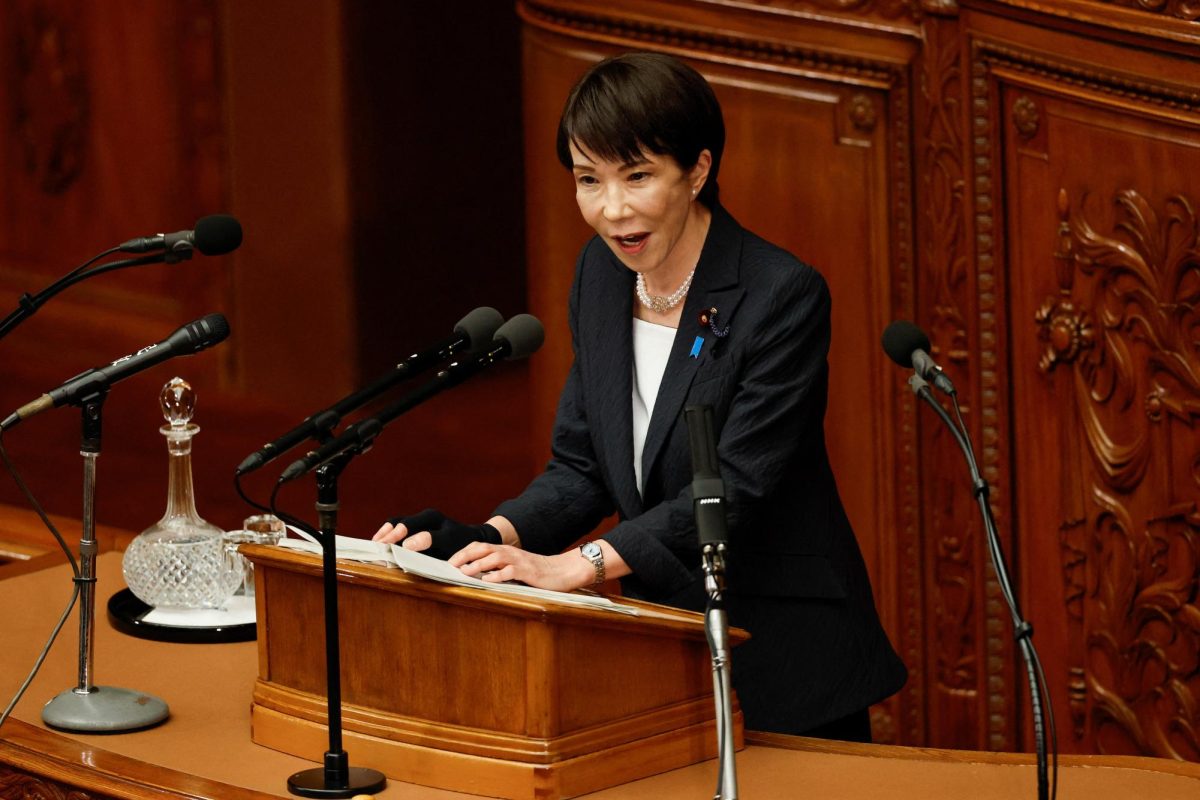



















A historic vote in Japan’s lower parliament on October 21, 2025, saw 64-year-old veteran stateswoman Sanae Takaichi elected as both the first female Prime Minister of Japan and the first president of the Liberal Democratic Party (LDP). Takaichi, a hardline conservative, won 237 of the 465 votes cast and immediately partnered with the right-wing Japan Innovation Party (JIP) to form a coalition—a decision that came after a break between the LDP and centrist party, Komeito’s 26-year ruling alliance.
While campaigning, Takaichi spoke of aspirations to “become the Iron Lady [of Japan]”, a reference to Britain’s first female Prime Minister, Margaret Thatcher, known for her tough, unbending style of politics. A former economic security and interior minister, Takaichi built a reputation as one of Japanese parliament’s most outspoken conservatives, known for her tough stance on immigration and conservative view on gender politics.
Though her election is historic in a nation where less than 10% of government ministers are women, Takaichi enters office facing pressure on both the economic and security fronts as US-China tensions rise, and war in Ukraine strains the North Atlantic Treaty Organization (NATO).
Sanaenomics: Takaichi opts for expansionary policy, promises fiscal “discipline”
A protégé of the late former Prime Minister Shinzo Abe, many expect Takaichi to revisit his “Abenomics” policies in the wake of Japan’s current economic rife. The Japanese public’s main concerns lie with inflation and decreasing value of wages—a situation complicated by stagnant GDP growth, high national debt and a rapidly aging population. In her first policy speech to parliament on October 24, Takaichi proposed expansionary fiscal policies like energy tax cuts and subsidies amidst soaring prices, alongside the creation of a council to discuss and provide strategies for further growth that targets key industries like semiconductors and AI. However, Takaichi promised to uphold long-term fiscal discipline against the backdrop of increased government spending.
Ms. Rhianna James, a DP-level Economics teacher at CDNIS, commented that Takaichi’s administration “has a strong emphasis on government investment” in various sectors but “need[s] to balance the costs of such policies” against the risk of furthering Japan’s “already high deficit”.
National security tightened amidst hiking tensions
On security, Takaichi plans to increase Japan’s military spending to 2% of its GDP by 2025, two years ahead of the previous administration’s target. This commitment was made three years prior by then-Prime Minister Kishida, following NATO members’ collective agreements to increase spending against the backdrop of war in Ukraine. Her commitment came days before US President Trump’s bilateral meeting in Tokyo; increased defense spending of US allies has been one of Trump’s top diplomatic priorities.
Speaking to parliament, Takaichi stated her cabinet’s intention to revise key security documents by the end of 2026 in response to the evolving geopolitical environment, including the Russia-Ukraine conflict and ongoing wars in the Middle East. “The free, open and stable international order that we were accustomed to is being violently shaken,” she told lawmakers. “In the region around Japan, military activities and other actions from our neighbors, China, North Korea and Russia, are causing grave concerns.”